
Our homes are much more than just physical structures that provide shelter from the elements. They serve as a direct reflection of our personalities, a canvas for our creativity. And a vital sanctuary where we retreat to recharge our minds and bodies. In a fast-paced world, coming home to a visually beautiful and well-organized environment can significantly reduce stress and improve our overall sense of well-being.
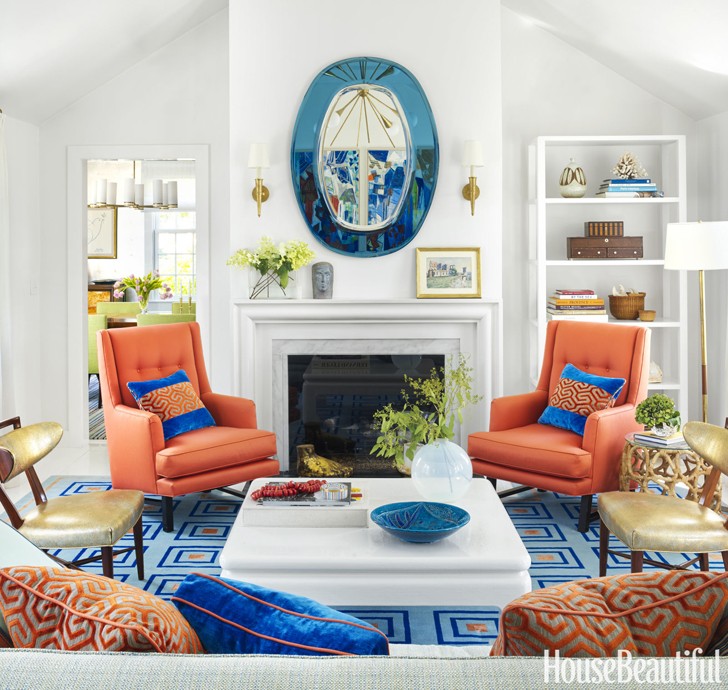
However, creating beautiful home decor is often misunderstood as an expensive luxury. Or an elite skill reserved only for professional interior designers. The truth is that exceptional interior styling is not about spending thousands of dollars on high-end designer furniture. Instead, it relies on understanding basic design principles, balancing visual elements, and making intentional choices that reflect your personal story. This comprehensive guide breaks down the essential strategies to help you transform any living space into a stunning, harmonious oasis.
1. Establish a Cohesive and Harmonious Color Palette
The foundation of all successful home decor begins with color. The palette you choose sets the psychological mood of a room before a single piece of furniture is even placed. To create a space that feels professional and visually relaxing, you must establish a cohesive color scheme that flows smoothly from one room to another.
A highly effective rule of thumb used by design experts is the 60-30-10 rule. This classic concept balances color distribution perfectly across a space:
- 60 Percent Dominant Color: This is your main background color, typically applied to the walls, large area rugs. Or primary large-scale furniture pieces. Opting for neutral tones like warm cream, soft beige, or muted gray creates an airy, expansive canvas.
- 30 Percent Secondary Color: This shade adds depth and contrast. It is usually applied to curtains, accent chairs, painted trim, or single feature walls. Think of colors that complement your base, such as olive green, slate blue, or soft terracotta.
- 10 Percent Accent Color: This is your splash of personality. Used sparingly on throw pillows, artwork, vases, and small decorative objects, an accent color provides a vibrant focal point that draws the eye without overwhelming the senses.
2. Master the Layering of Textures and Materials
One of the most common mistakes in home decorating is relying too heavily on a single material or matching furniture sets. A room where the sofa, coffee table, and bookshelves are made of the exact same wood and color will quickly look flat, cold, and transactional—resembling a retail showroom rather than a lived-in home.
Beautiful decor thrives on contrast and tactile variety, a process known as layering. To add instant warmth, luxury, and visual richness to a room, blend contrasting materials together. Pair a smooth, sleek leather sofa with a textured chunky knit throw blanket. Place a polished, modern brass metal floor lamp next to a rustic, rough-hewn wooden side table. By mixing materials like linen, velvet, concrete, glass, and natural stone, you create a multi-dimensional space that begs to be touched and explored.
3. Harness the Power of Layered Lighting
Lighting is the unsung hero of interior design. You can have the most beautiful furniture in the world, but if your room is illuminated by a single, harsh fluorescent ceiling bulb, the entire aesthetic will feel clinical and uncomfortable. To maximize the beauty of your home decor, you must transition from simple illumination to a multi-layered lighting strategy.
Begin by evaluating your natural light and keeping windows as clear as possible to let sunshine flood the room during the day. For evening ambiance, combine three distinct types of artificial light:
- Ambient Lighting: This is your general overhead light, ideally controlled by a dimmer switch so you can adjust the brightness based on the time of night.
- Task Lighting: Focused light sources designed for specific activities, such as a stylish brass reading lamp by your favorite armchair or under-cabinet LED strips in the kitchen.
- Accent Lighting: Soft, warm lights used purely for aesthetic effect. This includes placing small table lamps on sideboards, using candlelight on dining tables, or installing picture lights above your favorite artwork to create a cozy, sophisticated glow.
4. Curate Meaningful Focal Points and Declutter
A beautiful room needs a clear sense of purpose and direction. Without a defined focal point, the eye wanders aimlessly, and the space can quickly feel chaotic or unorganized. A focal point can be a built-in architectural feature, like a grand fireplace or a large bay window overlooking a garden. If your room lacks a natural feature, you can easily create one by hanging a massive piece of statement artwork, setting up a beautifully styled accent wall, or arranging your main seating area around an elegant media console.
Once your focal point is established, practice the discipline of editing. Beautiful decor requires breathing room. Remove unnecessary clutter from countertops, shelves, and coffee tables. Instead of crowding a bookshelf with dozens of small trinkets, group items in odd numbers—such as a cluster of three objects combining a stack of books, a small green plant, and a ceramic sculpture. This minimalist approach allows each decorative piece to stand out and be appreciated.
Conclusion
Beautiful home decor is not a static destination or a rigid set of rules that you must follow perfectly. It is an evolving, creative journey of shaping your environment to support your happiness and lifestyle.
By focusing on a balanced color palette, layering diverse textures, introducing warm, layered lighting, and curating your favorite meaningful items, you can elevate any house into a spectacular, personalized sanctuary. Take your time, trust your personal instincts, and enjoy the rewarding process of watching your living space transform into a beautiful reflection of who you are.