
Water is the lifeblood of any modern household. It provides clean hydration, allows us to maintain strict hygiene, runs our essential appliances, and carries away waste smoothly behind the scenes. Because our plumbing systems are hidden safely away inside our walls and beneath our floors, it is easy to forget about them entirely. That is, until a pipe suddenly bursts, a toilet overflows, or the hot water heater stops working on a freezing winter morning.
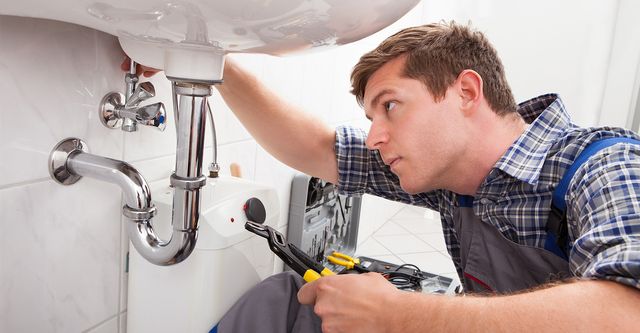
When a plumbing crisis strikes, a professional plumber shifts from an ordinary service provider to an absolute lifesaver. However, you should not wait for an emergency to understand how these highly skilled tradespeople operate. Knowing how plumbers work, what services they provide, and how to choose the right one can save you thousands of dollars and hours of intense stress. This comprehensive guide breaks down everything you need to know about plumbers.
The True Scope of a Plumber’s Expertise
When most people think of a plumber, they picture someone clearing a clogged kitchen sink or fixing a leaky bathroom faucet. While these basic repairs are a standard part of the job, the actual scope of professional plumbing is vast and highly technical.
Plumbers are complex system engineers. They must understand fluid dynamics, structural building codes, blueprint reading, and advanced metallurgy. Their work generally falls into three main categories:
- Water Supply Systems: Designing, installing, and maintaining the pipes that bring clean, pressurized water from municipal sources or private wells into your various household fixtures.
- Drain-Waste-Vent (DWV) Systems: Managing the intricate network of pipes that uses natural gravity to carry wastewater away safely to local sewer lines or septic tanks, while venting sewer gases safely out through the roof.
- Appliance Integration: Installing and servicing heavy-duty mechanical equipment that interacts with water, such as gas or electric water heaters, water softeners, sump pumps, and garbage disposals.
Understanding the Different Professional Levels
Not all plumbers possess the same level of training, experience, or legal authority. The plumbing trade follows a strict, time-honored hierarchy that dictates what types of projects a professional can legally handle.
Apprentice Plumbers
An apprentice is an entry-level professional who is learning the trade through a combination of classroom instruction and paid, on-the-job training. They always work under the direct supervision of a licensed veteran and cannot take on independent contracting jobs.
Journeyman Plumbers
After successfully completing an apprenticeship program—which typically requires four to five years and thousands of hours of field experience—and passing a rigorous state exam, a plumber earns their Journeyman license. They can work completely independently on standard residential and commercial plumbing tasks.
Master Plumbers
This is the absolute pinnacle of the profession. To become a Master Plumber, an individual must work as a Journeyman for several years, complete advanced training in business law and building codes, and pass a comprehensive examination. Master Plumbers can run their own businesses, pull structural permits for massive construction projects, and design complex plumbing layouts for entire neighborhoods.
How to Protect Yourself: Licensing and Insurance
Plumbing repairs involve significant risks. A single mistake made while soldering a copper pipe can trigger a house fire, and an improperly sealed drain can cause thousands of dollars in toxic water damage to your drywall and foundation. Therefore, verifying credentials before hiring a plumber is your most critical responsibility as a homeowner.
Always ask to see a plumber’s active state license number and cross-reference it with your local government’s consumer protection database to ensure it is in good standing. Furthermore, verify that the company carries robust general liability insurance and workers’ compensation coverage. If an uninsured technician accidentally floods your basement or gets injured while working inside your home, you could be held fully liable for the resulting financial damages and medical bills.
The Reality of Emergency Fees and Pricing
One of the most frequent sources of friction between homeowners and plumbing companies involves the cost of emergency services. It is essential to understand that plumbing pricing is highly reflective of the time, risk, and specialized equipment involved.
If you call a plumber at two o’clock on a Sunday morning because a pipe burst, you should expect to pay a substantial “emergency dispatch fee” just for them to show up at your door, along with higher hourly rates. This premium cost covers the fact that the technician is sacrificing their personal rest and stepping away from their family to protect your property.
To avoid awkward surprises on your final invoice, always request a clear explanation of their diagnostic fees, hourly rates, and material costs before authorizing them to start the physical repair work.
Conclusion
A licensed plumber is one of the most important professional allies a homeowner can have. By looking past the common stereotypes and respecting the deep technical expertise, strict licensing tiers, and protective insurance requirements of the plumbing trade, you can make highly informed decisions for your household.
Do not wait for a major water emergency to begin your search. Take the time today to research local providers, read customer reviews, and identify a trustworthy, certified plumber when your system is working perfectly. Having a reliable professional’s number saved in your phone ensures that when a plumbing crisis inevitably arrives, you can handle it with total confidence and peace of mind.