
Whether you are driving to work, walking through a retail parking lot, or pulling into your own driveway, you are likely interacting with asphalt. As one of the most widely used construction materials in the world, asphalt coats millions of miles of roadways globally. Yet, because it is so common, its incredible advantages are frequently taken for granted.
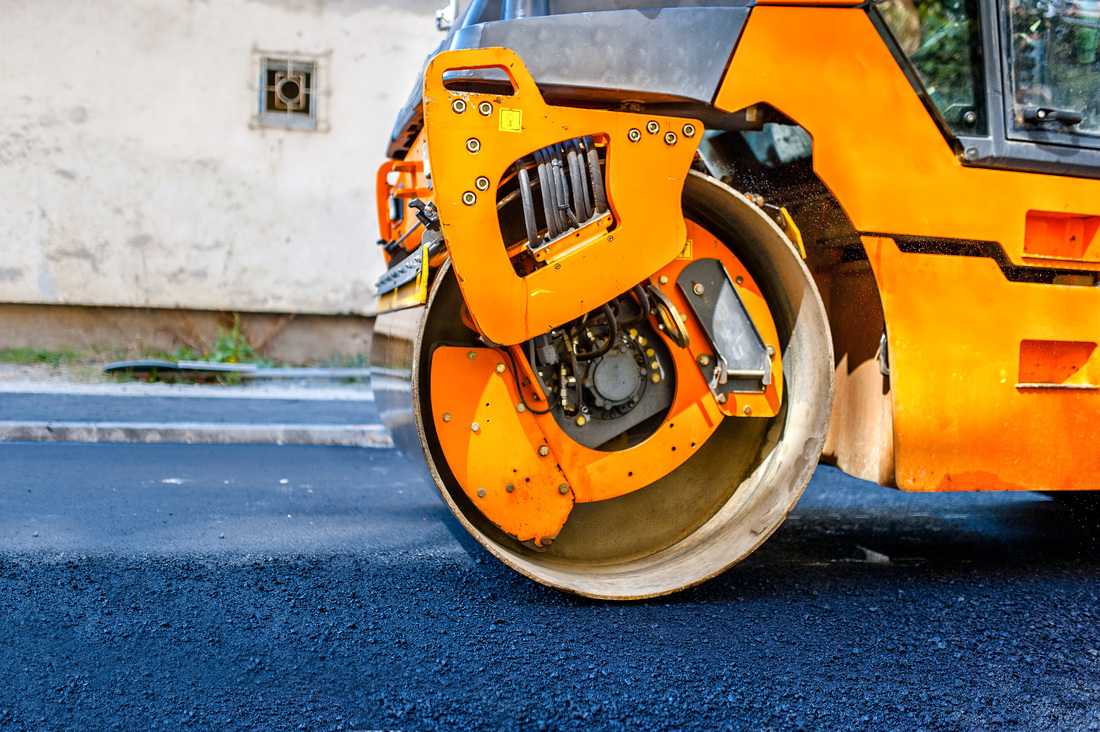
When it comes to paving a brand-new driveway, constructing a commercial parking lot, or repairing a municipal roadway, property owners and city planners face a critical choice between various materials. While concrete and gravel are common options, asphalt consistently emerges as the premier choice. This guide explores the diverse benefits of asphalt paving, demonstrating why this resilient material remains the ultimate standard for modern infrastructure.
Outstanding Cost-Effectiveness and Speedy Installation
For both homeowners and commercial developers, budget and time are two of the most critical factors in any construction project. Asphalt paving excels remarkably in both categories.
First, the initial installation cost of asphalt is generally significantly lower than that of concrete. This makes it an incredibly budget-friendly option for covering large surface areas, such as expansive parking lots or long residential driveways.
Second, asphalt cures and sets much faster than its competitors. A professional paving crew can lay an asphalt driveway and have it ready for vehicular traffic within one to two days. In contrast, concrete requires several days, or even a full week, to properly cure before it can withstand the weight of a standard vehicle. This rapid installation turnaround minimizes disruption to businesses and households, saving both time and indirect logistical costs.
Long-Term Durability and Unmatched Flexibility
One of the most fascinating characteristics of asphalt is its inherent flexibility. Unlike concrete, which is rigid and prone to snapping under extreme stress, asphalt is a flexible pavement. It is engineered to give and flex slightly under the immense weight of heavy trucks and constant traffic.
This flexibility is particularly valuable in regions that experience severe seasonal weather shifts. During freezing winters and scorching summers, the ground beneath a paved surface naturally expands and contracts. Because asphalt can adapt to these subtle shifts, it is highly resistant to the structural cracking that frequently destroys rigid concrete surfaces. When properly installed by an experienced contractor over a solid aggregate base, an asphalt pavement can easily last twenty to thirty years.
Unrivaled Ease of Maintenance and Repair
No paving material lasts forever, but asphalt is uniquely designed for stress-free ongoing maintenance. When a concrete driveway cracks or degrades, repairing it often involves a loud, expensive, and messy process of jackhammering away entire sections and pouring a fresh mix, which leaves unsightly patches.
Asphalt repairs are vastly simpler and more seamless. Small cracks can be easily filled with affordable rubberized sealants before they turn into major problems. If the surface becomes worn after a decade of heavy use, contractors can perform a process called “asphalt resurfacing” or overlaying. They simply scrape off the top worn layer and apply a fresh, hot-mix asphalt layer directly over the existing foundation. This completely restores the pavement to a brand-new condition at a fraction of the cost of a full replacement.
Enhanced Safety and Smooth Ride Quality
The smooth, dark nature of asphalt provides major safety benefits that directly protect drivers and pedestrians. The stark contrast between crisp white or yellow directional lines and a deep black asphalt surface dramatically improves visibility in low-light conditions, during heavy rainstorms, and at night.
Furthermore, asphalt provides superior tire grip and traction, reducing the risk of hydroplaning during wet weather. Its smooth, continuous surface means there are no bumpy joints like those found in concrete highways, resulting in a much quieter, more fuel-efficient ride for vehicles. Additionally, the dark color of asphalt acts as a natural solar heater, absorbing heat from the sun to melt snow and ice much faster during the winter, reducing slip-and-fall hazards.
An Environmentally Sustainable Choice
In today’s eco-conscious world, sustainability is more important than ever. Many people are surprised to learn that asphalt is actually the most recycled material in the United States, surpassing aluminum cans and glass bottles.
When old roads or driveways are torn up, the material is not sent to a landfill. Instead, it is transported to an asphalt plant, crushed, melted down, and mixed into fresh batches as Recycled Asphalt Pavement (RAP). This continuous cycle preserves finite natural stone reserves, reduces energy consumption during production, and keeps millions of tons of waste out of local landfills every year.
Conclusion
Choosing the right material for your paving project is a decision that impacts your property’s aesthetics, safety, and financial bottom line for decades. Asphalt paving provides a flawless balance of affordability, rapid installation, structural flexibility, and environmental responsibility.
By investing in professional asphalt installation and staying diligent with basic preventative maintenance, you ensure that your driveways, roads, or parking lots remain smooth, safe, and beautiful for a generation. When it comes to long-term performance and value, asphalt truly paves the way to a smarter investment.